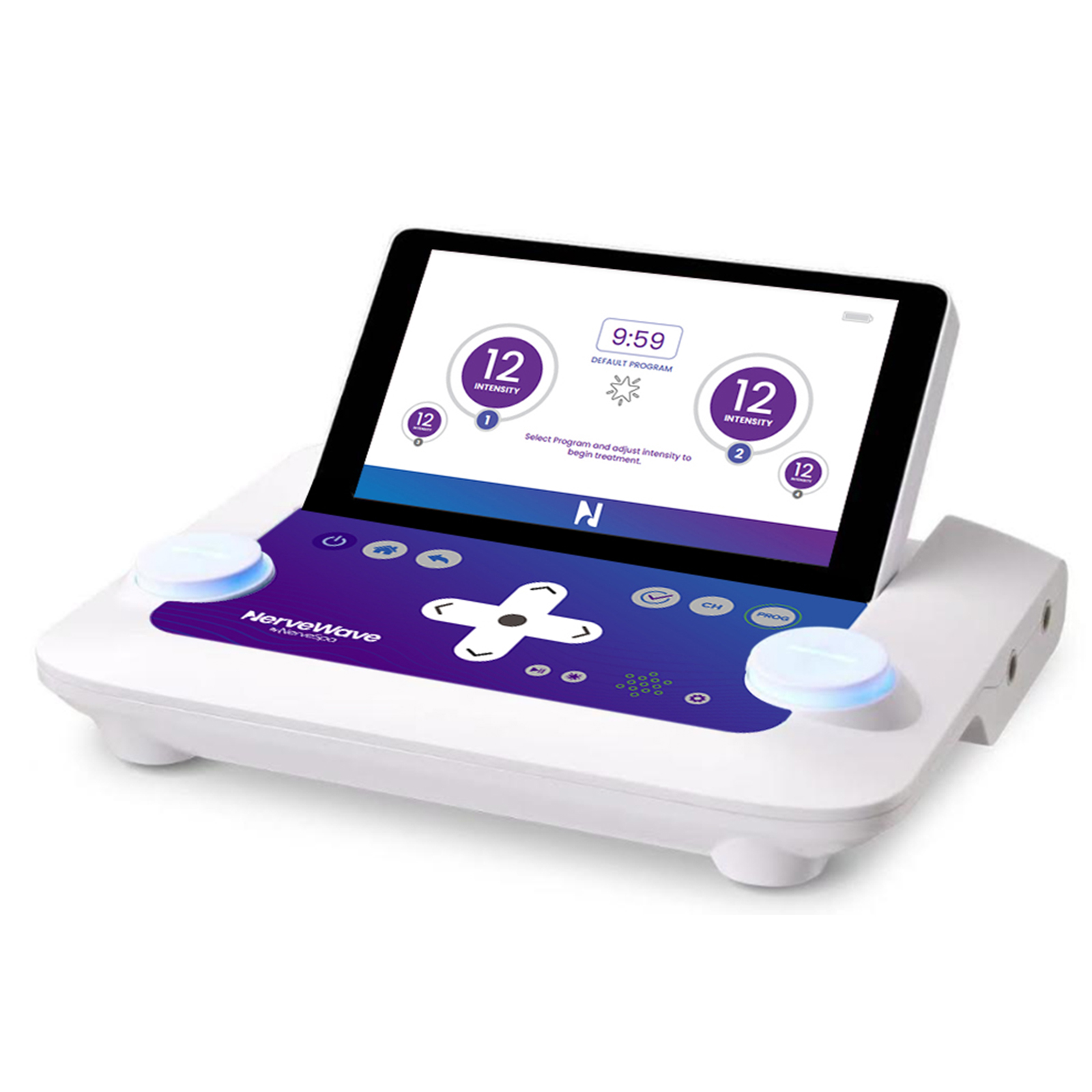
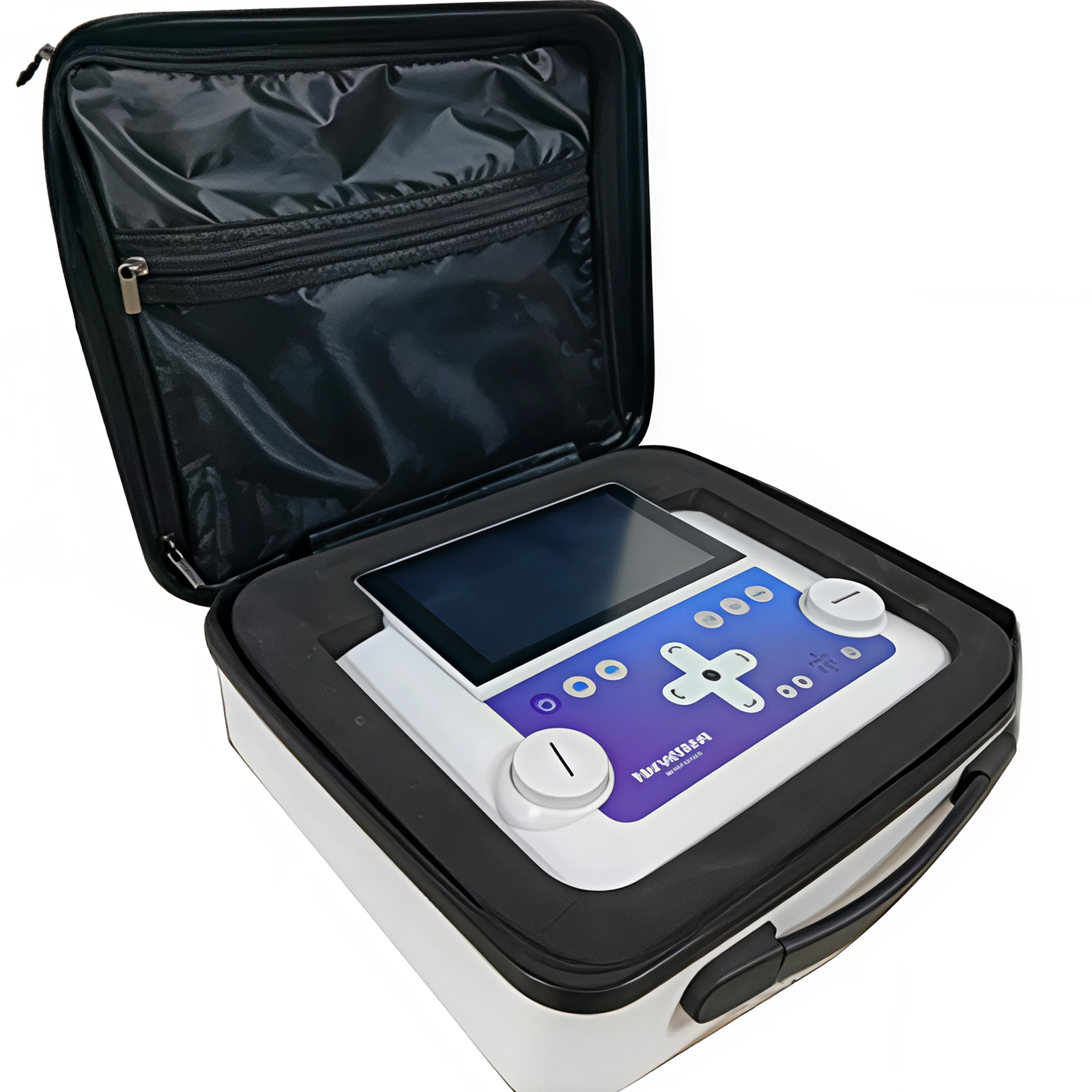
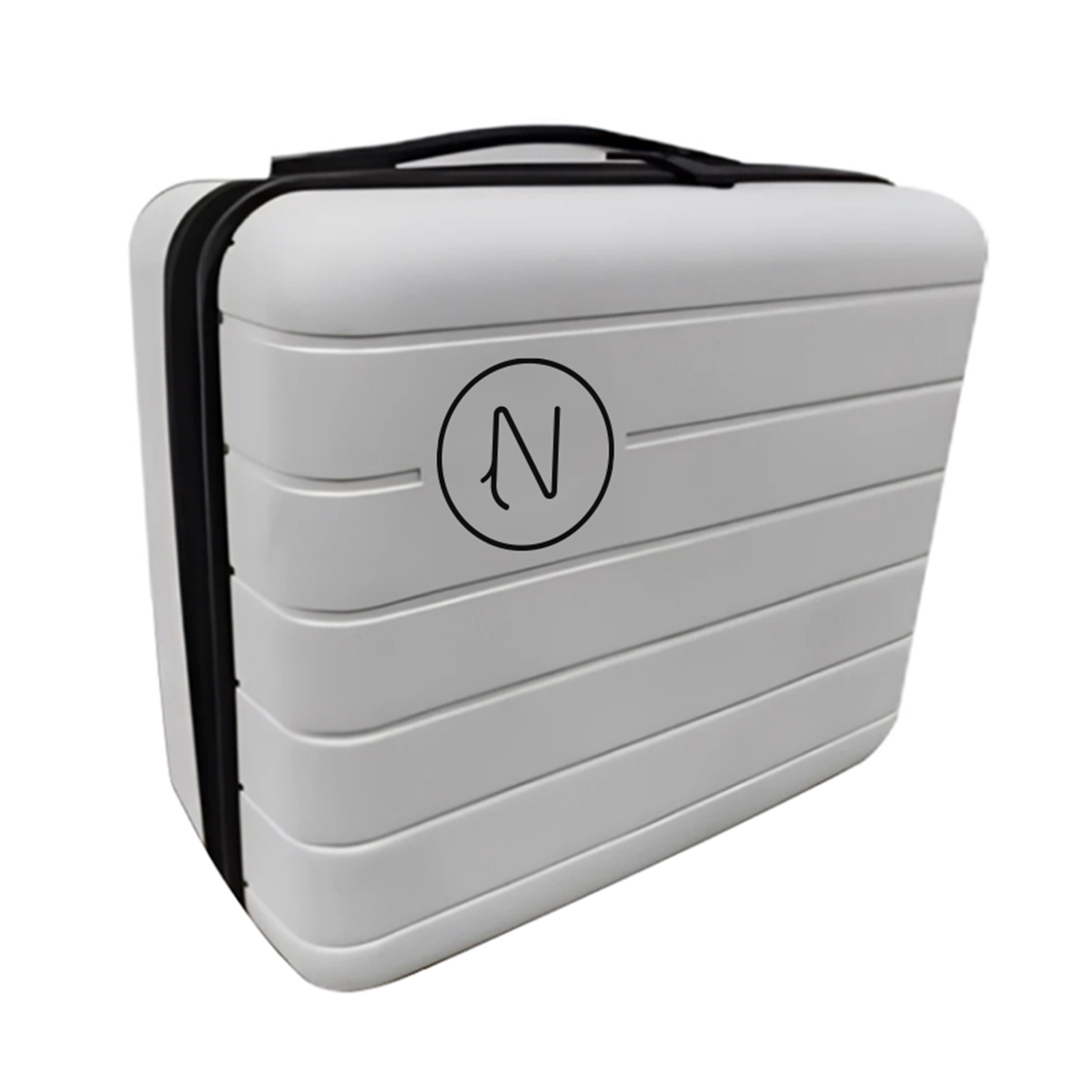
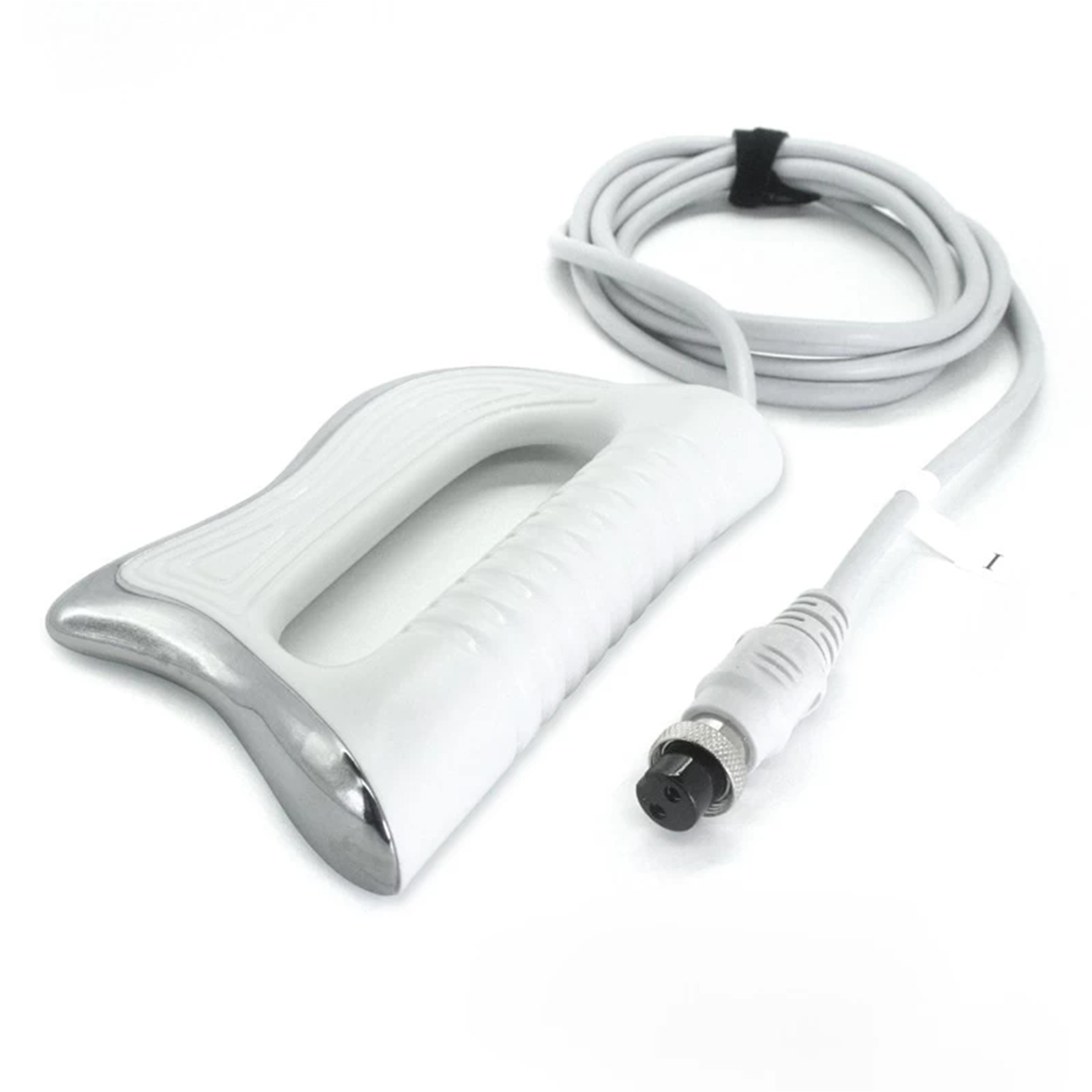
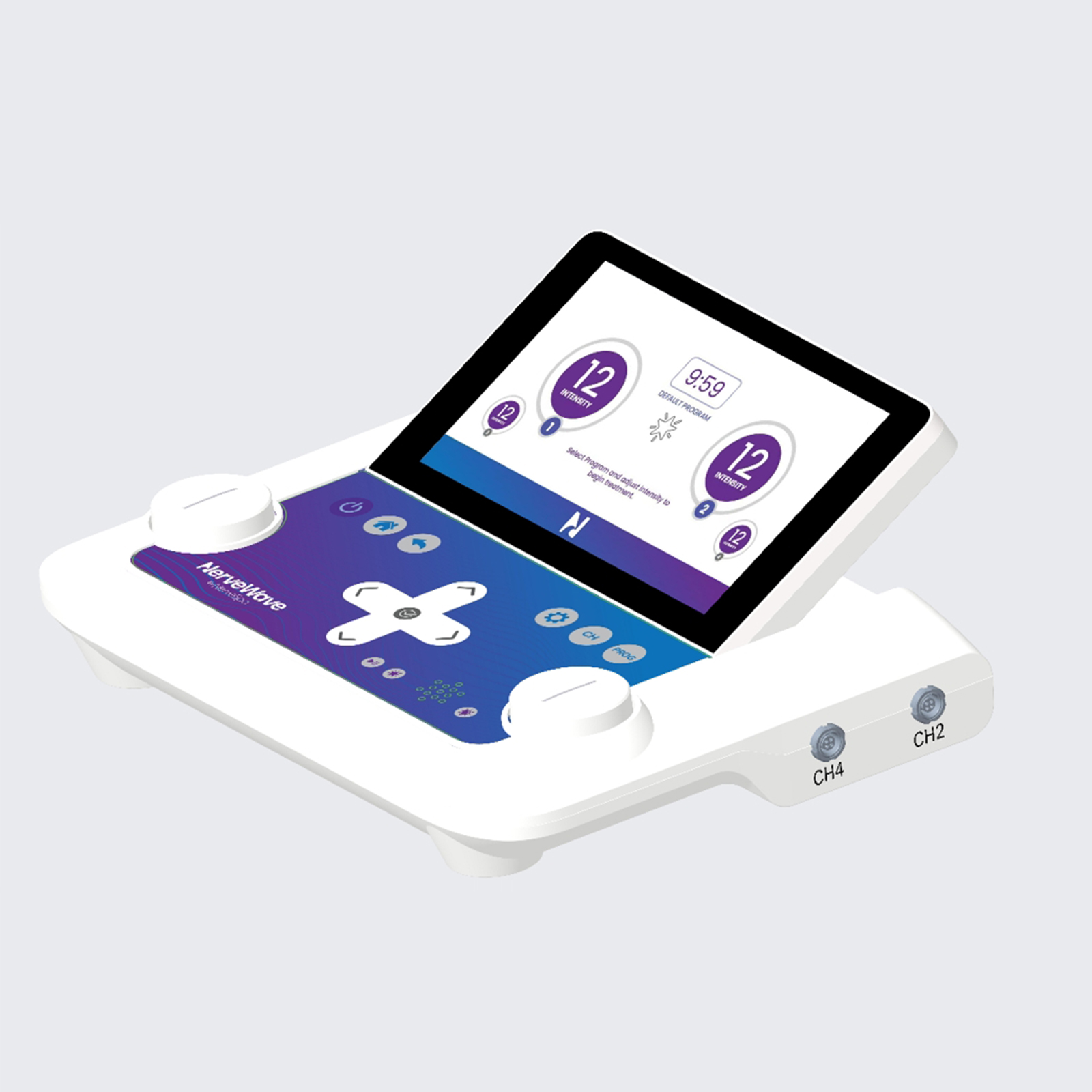
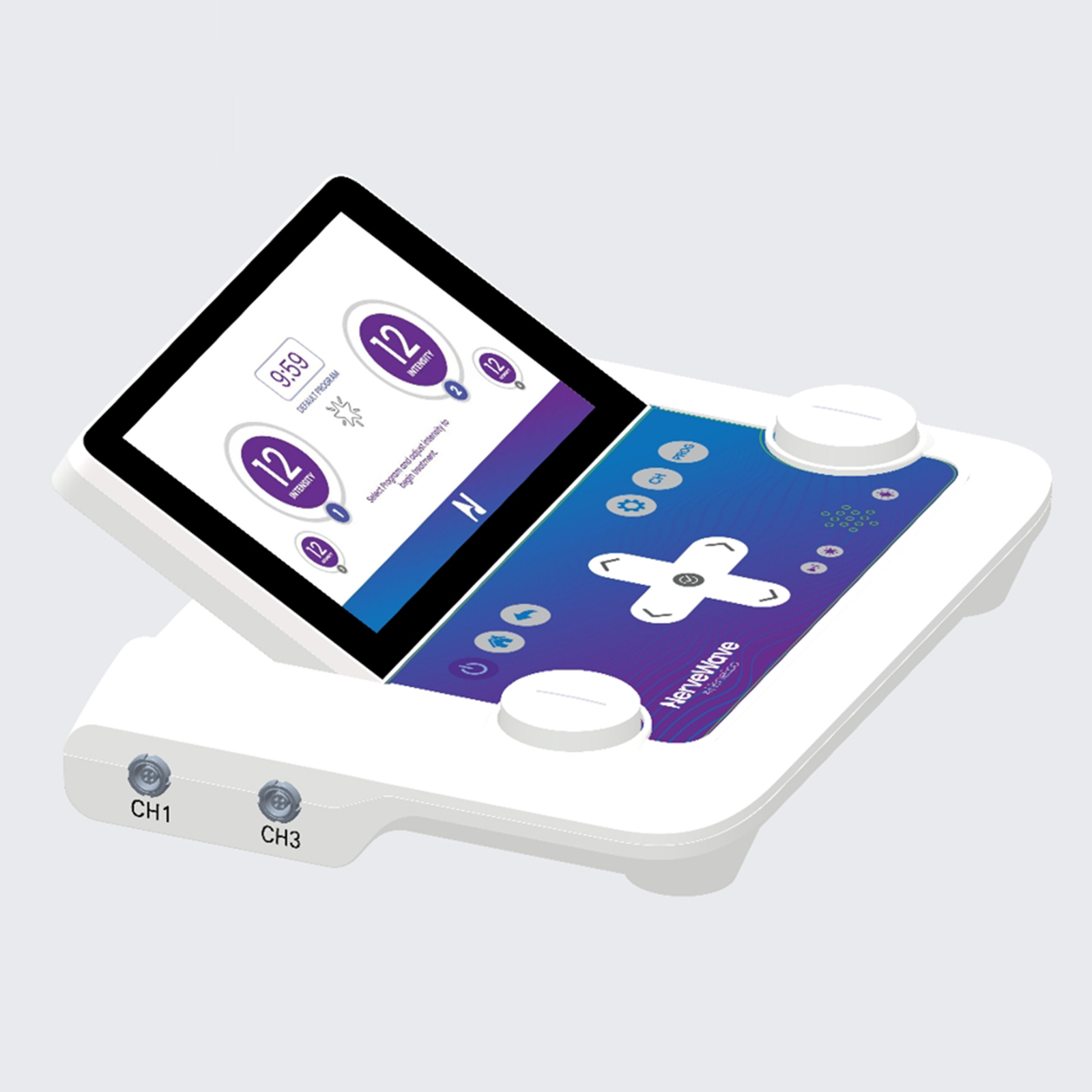
NerveWave Advanced Neuro-Modulating Electrotherapy System for Pain Relief, Neuropathy & Restorative Recovery
- CLINICAL OVERVIEW :The Nerve Wave incorporates advanced Neuro Modulating electrotherapy programming, along with a wide range of traditional clinical grade modalities, all in one device. The proprietary programming creates a combination of bioelectrical impulses and biochemical effects that therapeutically resolve the underlying condition, as well as quell the symptomatic condition.The Nerve Wave enjoins middle frequency programming with traditional high frequency programming in some programs, while harnessing low frequency programming in other programs to maximize therapeutic capture.
- MECHANISM OF ACTION: High frequencies stimulate metabolic effects, enzyme activation, and inflammation modulation.Low frequencies stimulate circulation, lymphatic flow, and edema reduction.Autonomic Balance: Stimulates parasympathetic activation to regulate the nervous system.
- CLINICAL APPLICATIONS: Regenerative Pain Control: Therapeutic pain management outcomes for the back and joint.Nerve & Neuropathy: Nerve regeneration and symptomatic relief.Restorative Recovery: Post-surgical/injury rehabilitation and muscle activation.Vagus Nerve Stimulation: Systemic regulation for sleep, anxiety, and migraines.
CONTACT FOR PRICING
DESCRIPTION
Multi-Domain Programming & Usage Guidance 1. Regenerative Pain Control
- Using clinically studied electrotherapy specifications derived from the Jstim – Joint Stimulator; low level frequencies are coupled with high volt stimulation set to a monophasic waveform. Such specifications have been studied to promote cartilage regeneration in the joint.
- Interferential therapy (IFT) targets chronic intractable back pain by using intersecting medium-frequency electrical currents to penetrate deep tissue, block pain signals, reduce inflammation, and improve muscle relaxation. This technique is especially effective for pain that has not responded to other treatments due to its ability to stimulate targeted nerves and muscles beneath the skin with minimal discomfort.
- Target Indications: Treat degenerative joint conditions such as Osteoarthritis (OA) and Rheumatoid Arthritis (RA) of the knee, hand, and shoulder.
Protocol: 4–5x per week Duration: Over the course of 26 weeks
2. Nerve & Neuropathy
Clinical Context: Clinical research maintains there are two approaches to treating Neuropathy – one being high frequencies with Sinusoidal alternating current with constant middle frequencies and the second being Low therapeutically ranged frequencies.
- High Frequency with Middle Frequency attributes has been found in clinical and animal studies to enhance myelinated axon growth, accelerate nerve fiber maturation, and in some protocols, provide nerve conduction block for pain relief.
- Low Frequencies tends to promote endogenous opioid release and support regenerative cellular processes that aid in nerve regeneration.
Using proprietary settings – delivering a mix between high frequency and low frequency coupled with waveforms specific to treating one’s extremities, the Nerve Wave delivers therapeutic outcomes. These frequencies and waveforms have been found to stimulate both bioelectrical (low frequency) and biochemical (high frequency) processes in the body at the same time. Protocol: 5x per week (60–90 uses)
- Phase 1: 1x/day
- Phase 2: 1x/day
Maintenance Phase: 2–3x/week for 6 weeks
3. Restorative Recovery
- Delivers gentle, non-fatiguing muscle contractions—primarily targeting small, slow-twitch muscle fibers and lymphatic movement within the muscle—accelerating the recovery process without causing additional strain or muscle fatigue.
- Increases vasodilation while boosting microcirculation and promoting angiogenesis in injured tissue, thus increasing healing.
- Low Frequency promotes lymphatic drainage, reduction of swelling and inflammation, and increasing healing within the muscle and tissue.
- High Frequency addresses post-surgical or post-injury pain syndromes by reducing reliance on pain medication, while increasing range of motion, and strength during the rehab phase.
- Protocol: 4–5x per week Duration: Over the course of 13–20 weeks
4. Vagus Nerve Stimulation
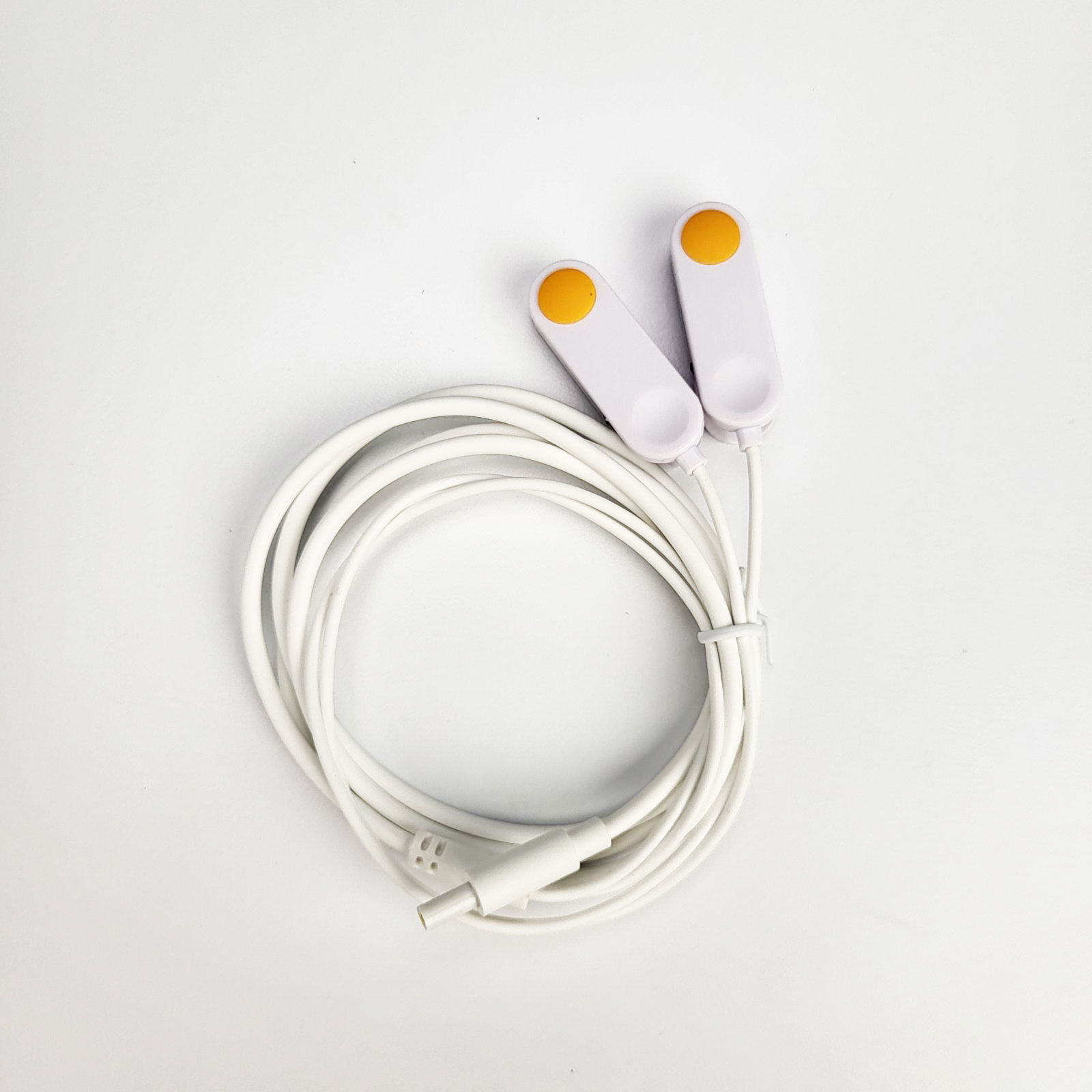
- Mild electrical impulses are delivered to the outer ear innervated by the auricular branch of the vagus nerve (ABVN), such as the tragus or cymba concha. This stimulation activates afferent nerve fibers that project to the brainstem, especially the nucleus tractus solitarius (NTS), and in turn modulate central autonomic activity, neurotransmitter release, and the balance of the sympathetic-parasympathetic nervous system.
- Parasympathetic Activation: taVNS increases parasympathetic outflow and reduces sympathetic activity, with clinical studies showing benefits ranging from reduced heart rate and inflammation to enhanced relaxation responses and improved autonomic balance.
- Protocol: 1–2x daily as needed Duration: Typically 10 mins per session
Hardware Capabilities Technical Specifications Full suite of manual programming specifications and proprietary parameters listed in system documentation.
| Category |
Detail |
| Regenerative Pain Control |
Monophasic High Volt |
| Restorative Recovery |
PMT Wave (Decaying Spike) |
| Nerve & Neuropathy |
|
| ↳ Middle / High Freq. |
4000 Hz with or without a beat freq. |
| ↳ Low Frequencies |
7.83 Hz |
| Vagus Nerve Stimulation |
Auricular (Tragus / Cymba Concha) |
| Manual Modes |
TENS, EMS, IFC, MICRO, Russian, Galvanic |
Program Index
- Regenerative Pain Control – Joint (60 min)
- Regenerative Pain Control – Back (25 min)
- Neuropathy – Primary Phase (20 min)
- Neuropathy – Secondary Phase (20 min)
- Neuropathy – Maintenance Phase (30 min)
- Restorative Recovery – Rehabilitative Relief (30 min)
- Restorative Recovery – Muscle Activation (30 min)
- Vagus Nerve – Sleep, Anxiety, Migraine (10 min)