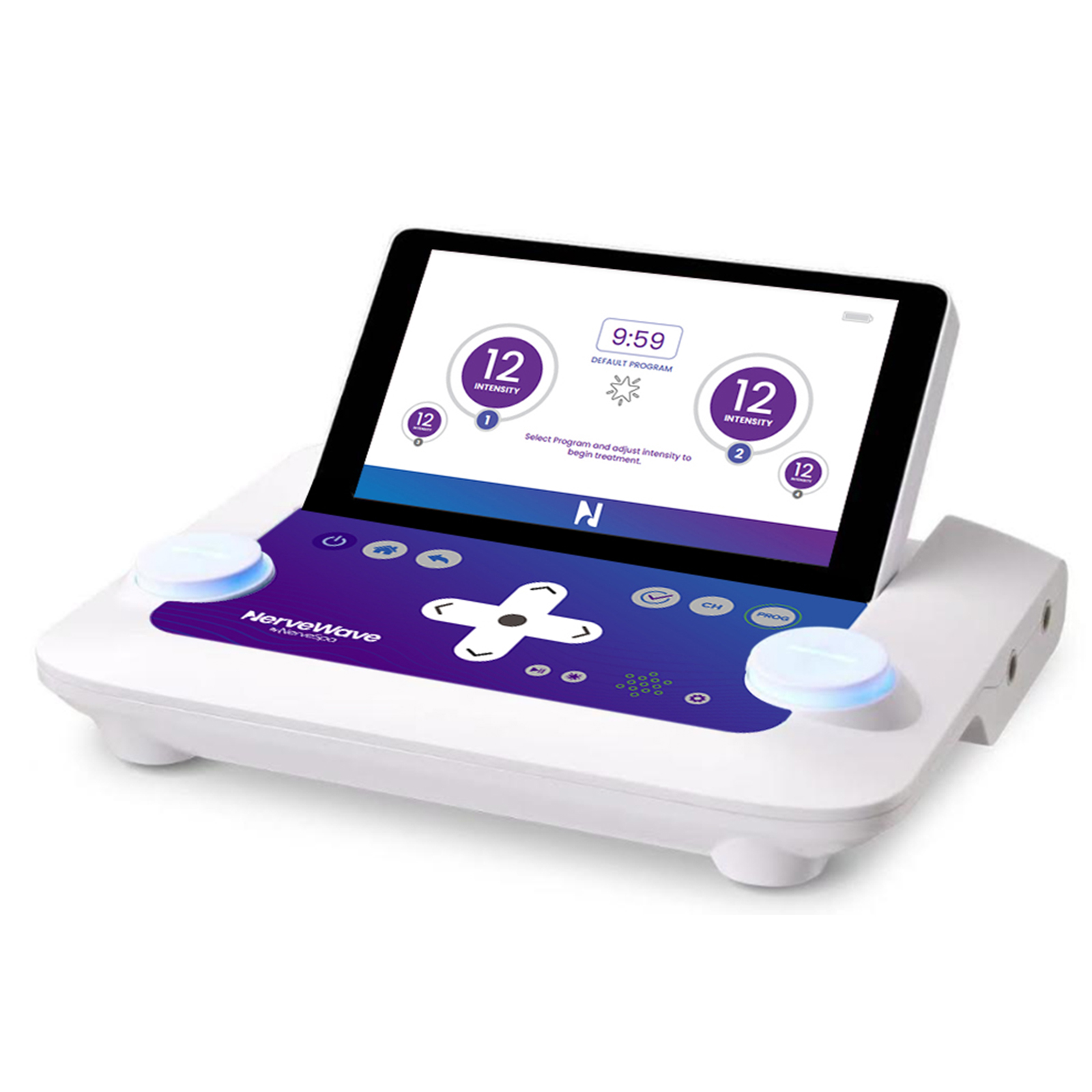
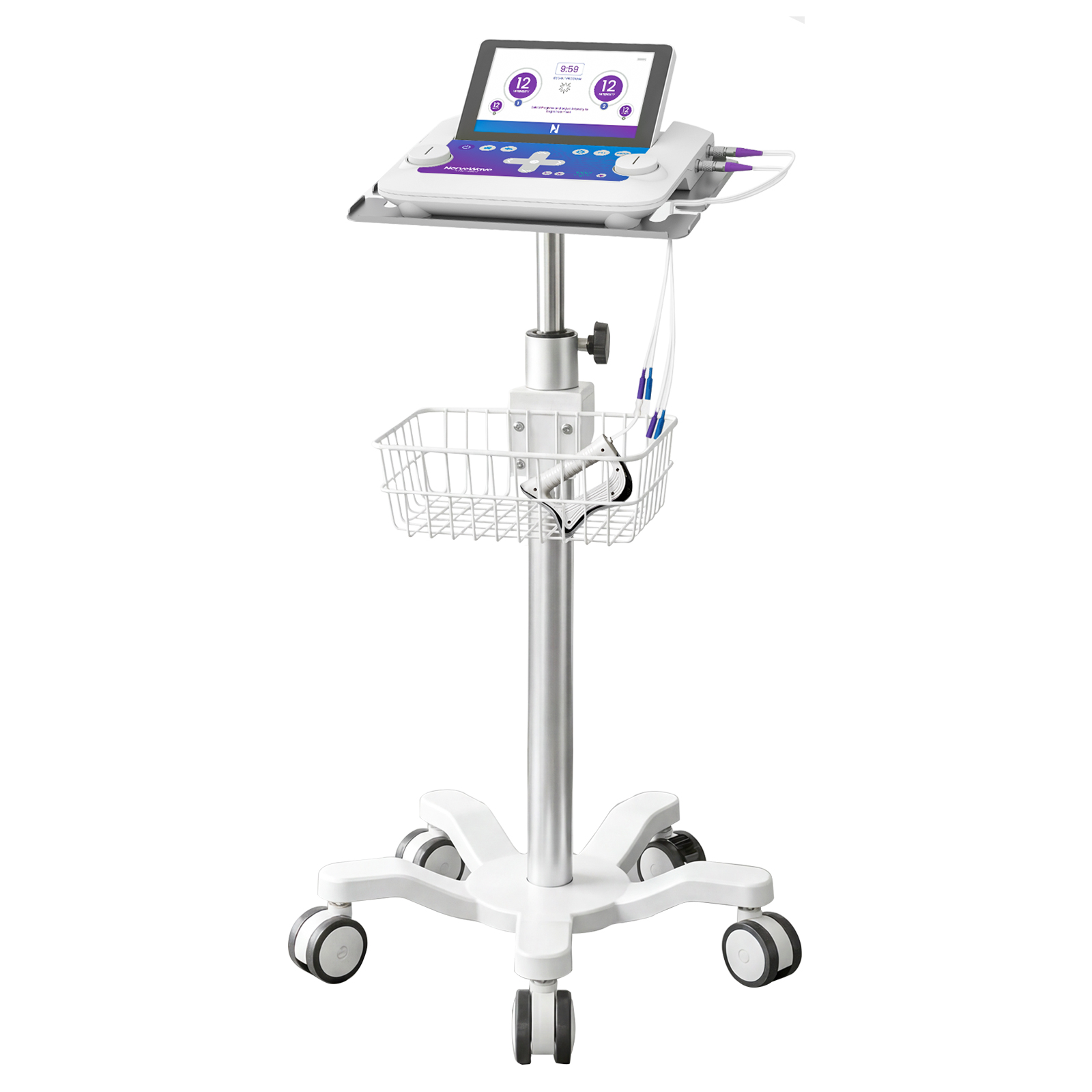
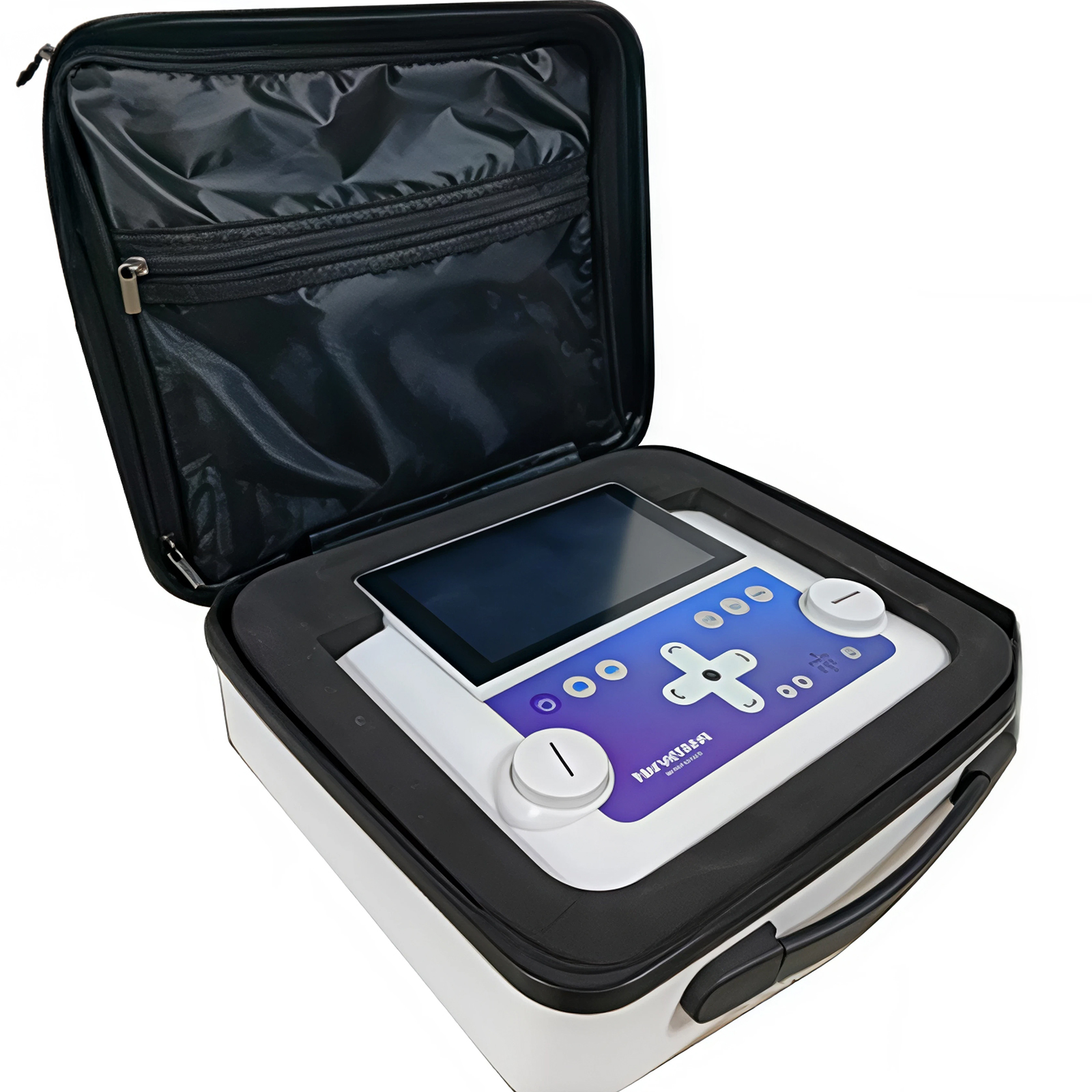
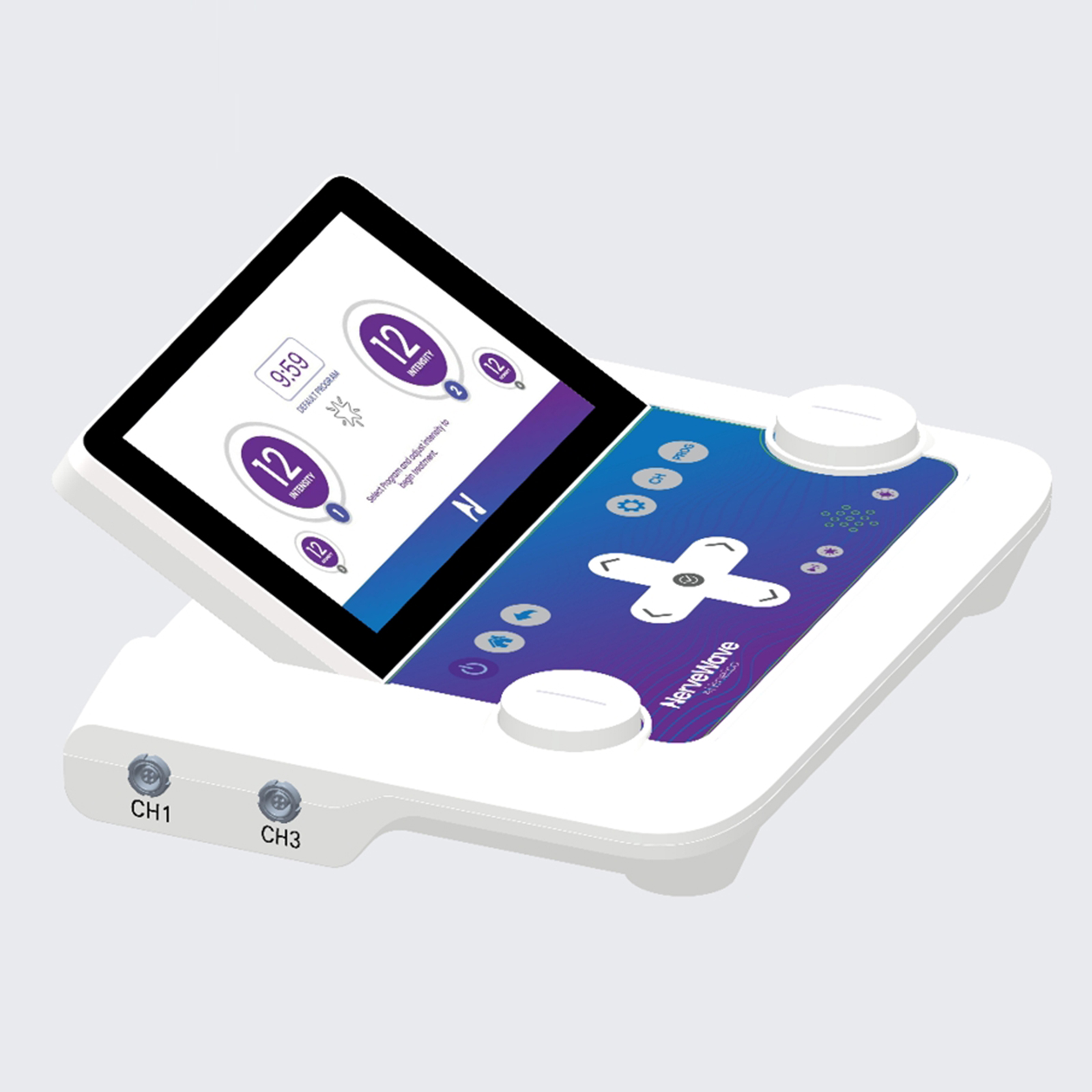
Multi-domain electrotherapy platform designed to therapeutically treat pain, stimulate nerves, improve circulation, support regeneration, and accelerate restorative recovery across neuropathy, chronic pain, and rehabilitation care pathways.
Clinical Overview
The NerveWave incorporates advanced neuro-modulating electrotherapy programming, along with a wide range of traditional clinical-grade modalities, all in one device. Its proprietary programming creates a combination of bioelectrical impulses and biochemical effects that therapeutically address the underlying condition while also helping calm the symptomatic condition. NerveWave combines middle-frequency programming with traditional high-frequency programming in some protocols, while harnessing low-frequency programming in others to maximize therapeutic capture.
Mechanism of Action
Key Outcomes:
Protocol: 4–5x per week
Duration: Over 26 weeks or until symptoms subside
Clinical Context: Clinical research maintains there are two approaches to treating Neuropathy—one being high frequencies with sinusoidal alternating current with constant middle frequencies and the second being low therapeutically ranged frequencies.
Using proprietary settings—delivering a mix between high frequency and low frequency coupled with waveforms specific to treating one’s extremities—the NerveWave delivers therapeutic outcomes. These frequencies and waveforms have been found to stimulate both bioelectrical (low frequency) and biochemical (high frequency) processes in the body at the same time.
Protocol: 6x per week (60–90 uses)
Maintenance Phase:
Protocol: 2–5x/week
Duration: 60–90 uses and revisit annually
Protocol: 4–5x per week
Duration: Over the course of 13–20 weeks
Protocol: 1–2x daily as needed (10min sessions)
Duration: Vagus Nerve Reset 4-6-weeks.Maintenance 2-4x/week
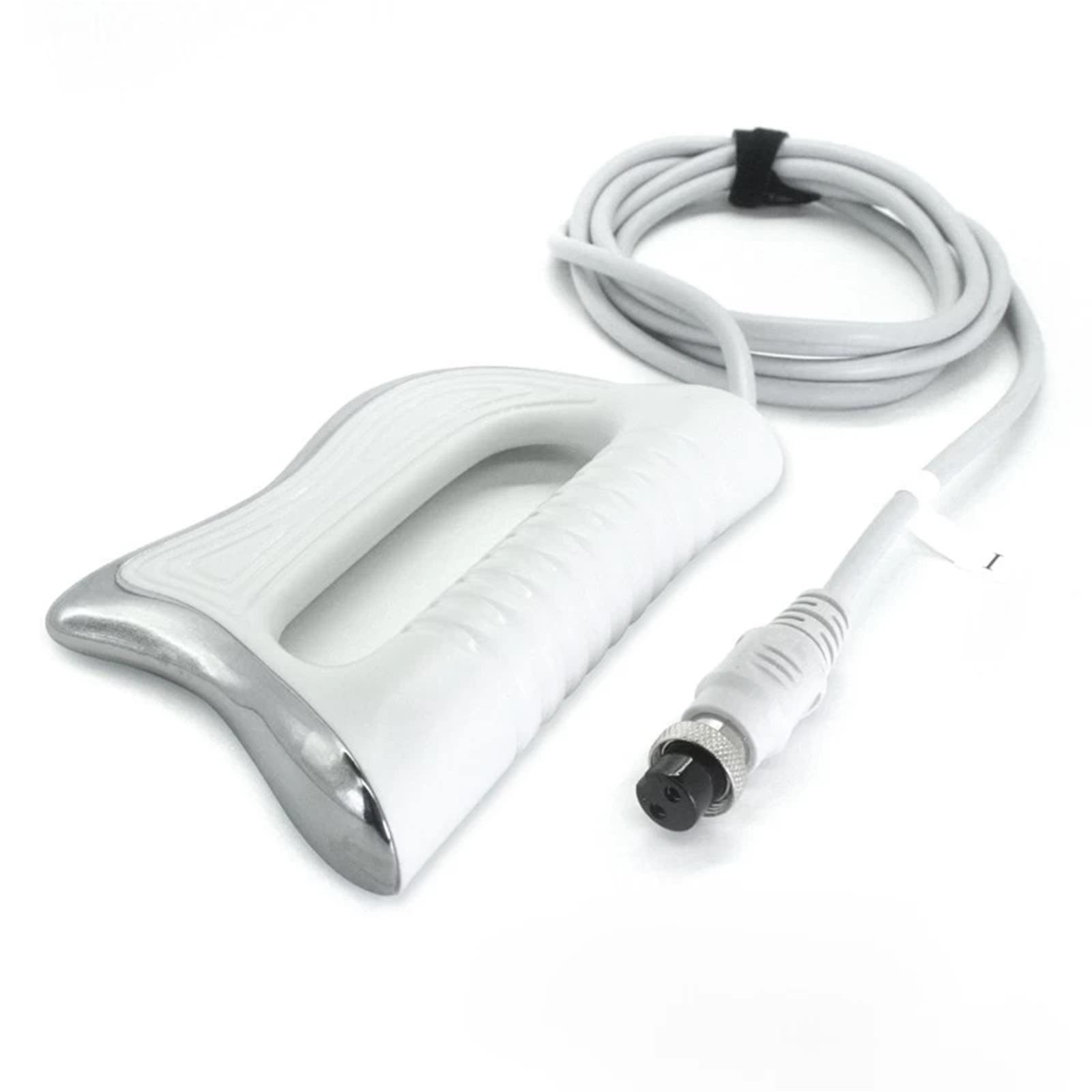
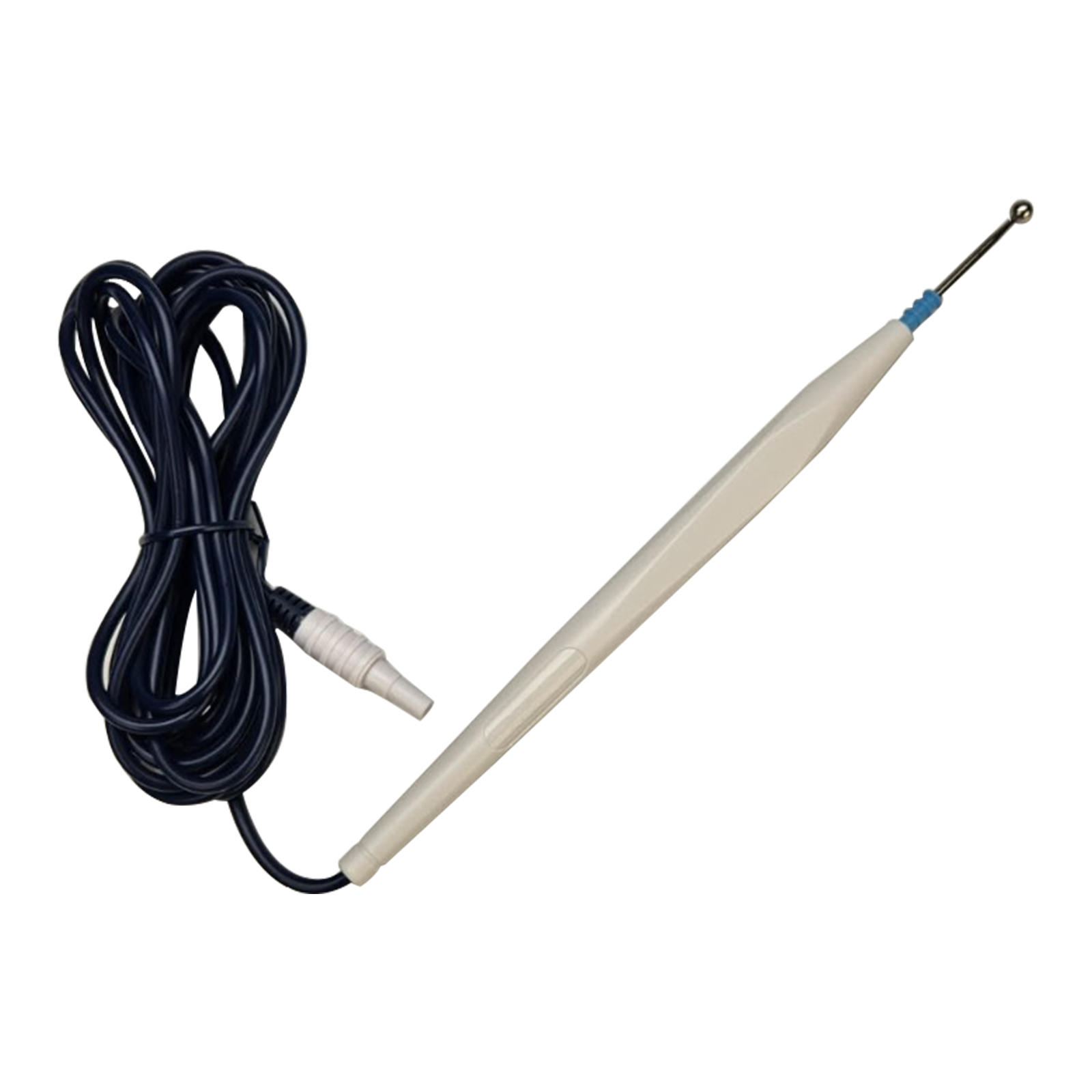
By utilizing clinically studied electrotherapy specifications derived from advanced neurostimulation protocols, this treatment couples low-level frequencies with high-voltage, monophasic electrical currents. Delivered via a micro-probe directly to the meridian point, these precise waveforms bypass skin resistance to stimulate deep tissue and promote cellular repair. This targeted electrical field has been studied to stimulate chondrocyte activity, increase extracellular matrix production, and actively encourage cartilage regeneration within the joint capsule.
In addition to cellular repair, this therapy incorporates deep-penetrating currents that target chronic, intractable joint pain. The intersecting electrical paths penetrate deep into the dense connective tissues of the joint to block persistent pain signals, reduce chronic inflammation, and relax surrounding muscle spasms. This sub-dermal delivery mechanism ensures maximum therapeutic impact directly at the source of degeneration, providing profound relief for severe pain that has failed to respond to surface-level treatments.
Target Indications: Treat degenerative joint conditions such as Osteoarthritis (OA) and Rheumatoid Arthritis (RA) of the knee, hand, and shoulder.
Protocol: Short-duration sessions of 5-20 minutes 3-4X/week or as needed.
Duration: Use over a 3 -month period.
By delivering a continuous, unidirectional flow of low-intensity electrical current, DC creates a sustained electrical field directly within damaged tissues. This constant polarity mimics the body’s natural injury currents, triggering a process called galvanotaxis which actively guides healing cells to the affected site. The DC flow increases cellular ATP production, accelerates protein synthesis, and stimulates the rapid repair of damaged ligaments, tendons, and muscles.
The steady directional current significantly enhances localized blood flow through targeted vasodilation, flushing out inflammatory waste products and delivering fresh oxygen and nutrients to the injury site. Because the current does not pulse, it penetrates deeply and smoothly, making it highly effective for chronic soft-tissue injuries that have resisted standard physical therapies.
Target Indications: Treat chronic soft-tissue injuries, tendonitis, ligament sprains, non-healing wounds, and localized peripheral nerve pain.
Protocol:Short-duration sessions of 20 minutes 3-4X/week or as needed.
Duration:Use over a 3 -month period.
Modulated Medium Frequency
Both interferential high frequency and medium frequency setups use kHz frequency carrier currents to pass through the skin comfortably. However, interferential relies on interference (a beat/envelope) in the low-frequency range for the actual neurophysiologic effect achieved in the tissue. This can be viewed as high-frequency stimulation with a successful low-frequency result deep in the tissue.
By contrast, modulated middle frequencies do not rely on beat frequency. Instead, these carrier currents stimulate in a broader capacity to deliver therapeutic energy deep into the tissue to impact cell membranes and promote healing, nerve repair, and nerve regeneration.
Medium-frequency stimulation using pure high-kHz alternating current (typically 1–20 kHz without low-frequency beat modulation) offers therapeutic benefits by inducing reversible nerve conduction block and modulating neural excitability.
Neuropathy Symptom Relief
Kilohertz stimulation at 10–20 kHz significantly reduces neuropathic pain, mechanical/thermal allodynia, and hyperalgesia in models like chronic constriction injury and painful diabetic neuropathy (PDN) by suppressing TRPV1/NMDAR2B signaling, glial activation, and aberrant nerve firing. In PDN patients, 10 kHz peripheral stimulation yields 66–80% durable pain reduction over 24 months, plus secondary gains in sleep, mood, daily function, and glycemic control.
Nerve Regeneration Potential
While low frequencies (e.g. 2–20 Hz) enhance axon outgrowth, myelination, and regeneration post-injury, pure kHz AC is better characterized for conduction block and modulation of hyperexcitable nerves. Used appropriately, it may help create a healing window by silencing aberrant signaling while broader treatment strategies support regeneration.
Full suite of manual programming specifications and proprietary parameters listed in system documentation.
| Category | Detail |
|---|---|
| Regenerative Pain Control | Monophasic High Volt |
| Restorative Recovery | PMT Wave (Decaying Spike) |
| Nerve & Neuropathy | |
| ↳ Middle / High Freq. | 4000 Hz with or without a beat freq. |
| ↳ Low Frequencies | 7.83 Hz |
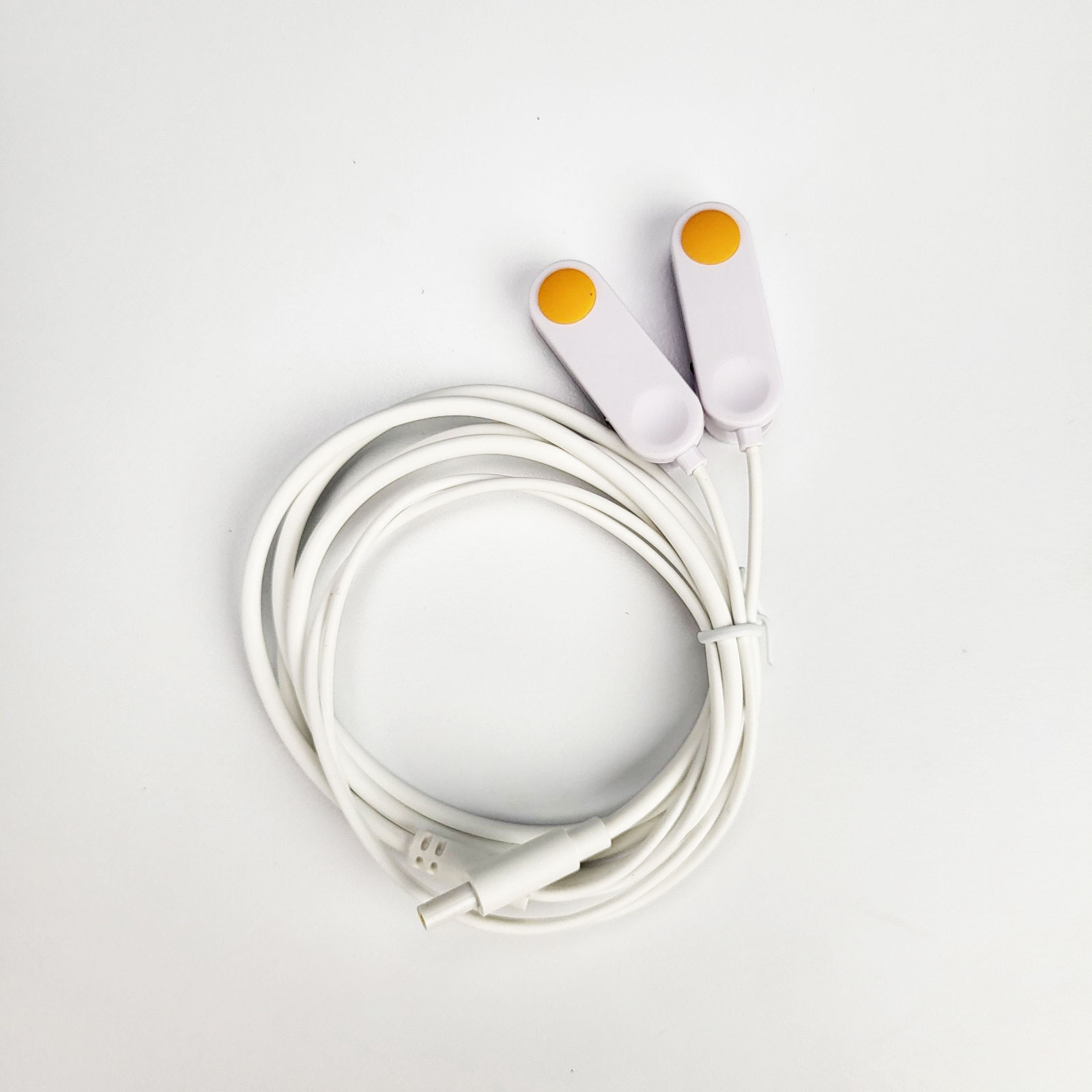
| Vagus Nerve Stimulation | Auricular (Tragus / Cymba Concha) |
| Manual Modes | TENS, EMS, IFC, MICRO, Russian, Galvanic |